# Market Dynamics Reshaping Vancouver Real Estate: Navigating the Perfect Storm of Opportunity Metro Vancouver's construction costs are plummeting, with a remarkable 15% decline over the past year according to Altus Group—creating a rare window for development despite persistent regulatory challenges. This stands in stark contrast to Toronto's stable costs, presenting a competitive advantage for local projects. Meanwhile, the condo market faces significant headwinds, with inventory projected to surge by 60% by year-end. Over 4,000 unsold units sit on the market, signaling a fundamental shift that savvy REALTORS must prepare clients for. This surplus creates negotiation leverage for buyers but demands strategic pricing approaches from listing agents. ## Market Opportunity Indicators for Forward-Thinking Agents The "lukewarm" spring market reflects broader uncertainties, with tariff concerns and the upcoming federal election creating hesitation. Commercial real estate deals have reached their lowest point in a decade, with cloudy forecasts extending into 2025. However, distinct bright spots exist: - **Alternative Housing Models:** Co-housing developments like "Langley Village" are gaining traction, with one B.C. co-op raising $1.1M through community bonds—representing an emerging niche for specialized agents - **Recreational Properties:** Whistler's market bucks provincial trends, maintaining resilience while traditional markets soften - **Transparency Advantages:** Sold prices for Greater Vancouver listings now available on Realtor.ca creates new client education opportunities - **Rental Investment Appeal:** The "perfect storm" for investors combines rising interest rates with increased rental demand and inventory shortages ## Strategic Implications for Your Practice The Bank of Canada's holding of interest rates marks the end of seven consecutive rate hikes, bringing relative stability to financing conditions. This pause creates a strategic opening to reengage hesitant buyers now adjusting to the new rate environment. The BC Real Estate Association's advocacy for reduced development charges and increased municipal infrastructure funding signals potential policy shifts that could stimulate new development. REALTORS should position themselves at the intersection of policy and market activity. For client guidance, the contrast between regional markets demands hyperlocal expertise. While March showed an overall provincial sales decline, the Okanagan demonstrated remarkable strength. Similarly, the Jericho Lands development, with first homes potentially available by 2032, highlights the importance of long-term vision in client consultations. The evolving tenant protection measures under consideration by Vancouver City Council will fundamentally reshape rental property management and investment. Staying ahead of these regulatory changes provides a competitive advantage in advising investor clients on portfolio adjustments. In this complex market, successful REALTORS will blend market intelligence with strategic foresight, helping clients navigate both immediate challenges and emerging opportunities in a landscape that rewards specialized expertise and relationship-focused service.
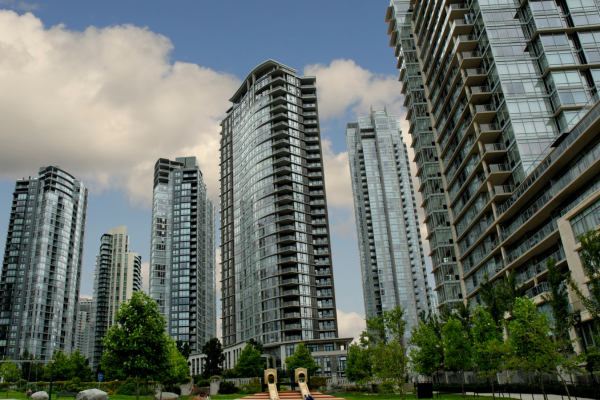

Why Construction Costs Are Higher In Vancouver Than Toronto
A recent report from Altus Group reveals that construction costs in Vancouver are experiencing a significant decline, dropping nearly 15% over the past year, while Toronto’s costs remain stable. Factors contributing to Vancouver's slump include increased material availability and reduced labor demand, driven by a slowdown in housing projects. Despite this decline, the construction landscape remains complex, with both cities grappling with affordability challenges and regulatory hurdles that continue to impact development timelines and overall market conditions.
North Vancouver seniors at risk of losing housing after sudden subsidy change
The Churchill House in North Vancouver, which has provided subsidized housing for lower-income residents, is set to lose its funding from the provincial government, prompting concerns about potential evictions and increased housing instability for its tenants. With the current funding ending, the community is worried about the future of 14 families residing there, as they may face challenges finding affordable housing alternatives. Local advocacy groups are seeking solutions to prevent displacement and maintain support for these vulnerable residents amid an ongoing housing affordability crisis in the region.
Co-housing grows roots in Langley, offering a village model for modern living
The article discusses the rising trend of co-housing in Langley, with a focus on the innovative "Langley Village" model that emphasizes community living and shared resources among residents. It highlights how this approach addresses affordability and social isolation by promoting collaboration in design and operation among co-housing members. As demand for alternative housing options grows, this model is gaining traction as a viable solution for families, seniors, and individuals seeking a more connected lifestyle while tackling housing challenges in the region.
David Ley: Vancouver’s housing policy: A Faustian bargain
In the article, David Ley critiques Vancouver's housing policy, arguing that it represents a Faustian bargain that prioritizes short-term financial gains over long-term community well-being. He highlights the detrimental effects of excessive real estate development and speculative investments, which he believes have contributed to unaffordable housing and social inequality. Ley emphasizes the need for a more balanced approach that fosters genuine affordability and sustainable urban living, urging policymakers to reconsider their strategies in light of the broader implications for the city’s residents.
Metro Vancouver condo inventory could rise 60% by year-end: report
A recent report indicates that Metro Vancouver's inventory of condos could increase by up to 60% by the end of the year, largely due to a surge in new developments and a slowdown in sales activity. This anticipated rise in inventory may provide potential buyers with more options and could impact pricing dynamics in a market that has been characterized by tight supply. REALTORS should prepare for changes in buyer sentiment and market conditions as funding rates remain a concern and demand shows signs of wavering.
Unsold condos piling up in Metro Vancouver, says report
A recent report reveals that unsold condominium inventory in Metro Vancouver has reached significant levels, with over 4,000 units remaining on the market. This increase in unsold condos is attributed to rising interest rates and broader economic uncertainties, causing potential buyers to hesitate. Additionally, the report highlights a shift in market dynamics, indicating that while prices have slightly stabilized, the surplus of inventory reflects a cooling demand, suggesting that developers may need to adjust their strategies to accommodate changing buyer preferences and market conditions.
Vancouver council considers making strong tenant protections in Broadway Plan citywide
Vancouver City Council is evaluating the implementation of robust tenant protection measures as part of the Broadway Plan, which aims to guide development and increase housing options in the area. These prospective protections are designed to safeguard existing tenants from displacement amid intensifying development pressures, particularly focusing on affordability and long-term security in rental housing. The discussion emphasizes the city's commitment to balancing development with the rights and needs of renters, highlighting the importance of creating sustainable, inclusive communities in the face of growth.
First homes at Jericho Lands development in Vancouver could open in 2032
The Vancouver City Council held a public hearing on the proposed development of the Jericho Lands, which involves a collaboration between the federal government, the Musqueam, Squamish, and Tsleil-Waututh Nations. The plans for the 30-acre site include residential, commercial, and public spaces, aiming to provide affordable housing and community amenities while respecting Indigenous rights and culture. Residents expressed concerns about potential traffic issues and density, while supporters emphasized the project's benefits for housing and community development, indicating strong public interest and varying perspectives on the development's impact on the area.
Vancouver CRE Deals In 2024 Hit Lowest Total In A Decade, 2025 To Remain Cloudy
The Vancouver commercial real estate market is expected to experience moderate growth in 2024 and 2025, driven by a recovery in tenant demand and an influx of investments despite ongoing economic uncertainties. The office sector is predicted to see stabilization as hybrid work models become more entrenched, while the retail market is adapting through increased online sales integration. Industrial spaces will continue to thrive due to strong demand for logistics and warehousing, particularly as companies seek to optimize their supply chains. Overall, while challenges such as interest rate fluctuations and inflation persist, the city's diverse economic base provides resilience and potential for recovery in the commercial real estate sector.
Beedie Relocates In Burnaby, Sells Old Head Office To BC Housing For $16.2M
Beedie's development at 3020 Gilmore in Burnaby, BC, is set to replace an aging industrial site with a significant mixed-use project comprising 550 residential units alongside retail, restaurants, and community spaces. The initiative aims to support the local housing market by providing diverse living options while enhancing urban vibrancy and sustainability. With an emphasis on green building practices, including energy-efficient designs and landscaping, this project reflects the ongoing efforts to address housing shortages in the region while contributing positively to the community's growth and environmental objectives.
Vancouver and Toronto stall national home-price growth in March, says index
In a recent report, real estate prices in Vancouver and Toronto have remained stable, with both cities experiencing only a modest increase of three percent in annual sales during the spring season. This plateau reflects broader market trends influenced by factors such as rising interest rates and economic uncertainty, leading to a more cautious approach among buyers. Real estate professionals highlight that while sales activity has seen some improvement, the overall market remains characterized by flat prices and cautious consumer sentiment.
Metro Vancouver real estate market forecast
The real estate market forecast suggests a continued slowdown in home sales across Canada, driven by high interest rates and rising borrowing costs, which have deterred potential buyers. Experts predict a modest decline in home prices as demand remains subdued, especially in urban areas. Although some markets may experience slight recoveries, the overall trend is leaning towards stability rather than growth, indicating that REALTORS and clients should adjust their expectations and strategies accordingly in the current economic climate.
Who gets into Vancouver’s ‘below-market’ rental apartments?
The article discusses the challenges and processes involved in accessing below-market rental apartments in Vancouver, highlighting the complexities of eligibility requirements, the application process, and the varying definitions of affordability. It underscores the crucial need for clarity and fairness in the system to ensure that low- and middle-income residents can effectively navigate these options. Additionally, the piece calls for better transparency and more equitable distribution of affordable housing resources, stressing the importance of addressing housing inequality within the city.
BC Real Estate Association says home sales continue decline
The article discusses the contentious issue of access to Vancouver's below-market rental apartments, highlighting how current allocation systems often prioritize existing tenants and those with specific connections over new applicants, including low-income households. It emphasizes the need for reform in these allocation processes to ensure a wider range of individuals, particularly marginalized groups, can benefit from affordable housing options. Additionally, the author advocates for a more equitable approach to distributing these units to create a more inclusive community.
Vancouver spring market ‘lukewarm’ amid tariffs, election: Royal LePage
The Vancouver real estate market is experiencing a lukewarm spring season, influenced by ongoing tariffs, the impending federal election, and increasing housing prices amid high demand. An analysis from Royal LePage indicates that while some areas are seeing stable home prices, overall sales activity is down compared to previous years. Injuries to the economy from external factors, alongside local market dynamics, have created a cautious atmosphere among buyers and sellers, suggesting a period of adjustment in the real estate landscape.
Jericho Lands: Megaproject aims to bring downtown-style urbanism to quiet Vancouver neighbourhood
The article discusses the ongoing public hearing regarding the Jericho Lands development in Vancouver, highlighting community concerns and the strategic importance of the site. Residents fear potential overdevelopment and loss of green space, while proponents argue that the project could provide much-needed housing and amenities. The discussion underscores the balance needed between development and the preservation of community values, as various stakeholders express their views on the future of this significant parcel of land.
Sold prices for listings from Greater Vancouver Realtors now live on Realtor.ca
Sold prices for listings from Greater Vancouver REALTORS are now available on Realtor.ca, enhancing transparency in the real estate market. This new feature allows users to see both listing prices and final sale prices, providing valuable insights for buyers, sellers, and REALTORS. The integration aims to create a more informed marketplace by giving clients access to real-time data, helping them make better decisions based on recent sales trends in the Greater Vancouver area.
The perfect storm brewing for real estate investors in B.C.
Real estate investors in British Columbia are facing a unique set of challenges and opportunities, described as a "perfect storm," due to rising interest rates, increased rental demand, and a shortage of inventory. These conditions are driving rental prices upward, making real estate a potentially lucrative investment despite the higher borrowing costs. As the market transforms, savvy investors are encouraged to adapt their strategies and take advantage of the evolving landscape to maximize returns in a competitive and constrained housing market.
Threat of tariffs puts a damper on B.C. home sales
Recent data from the British Columbia Real Estate Association indicates a notable decline in home sales across the province, attributed to rising interest rates, economic uncertainty, and the ongoing impact of tariffs on construction materials. Home sales in September 2023 dropped by 27% compared to the previous year, reflecting the challenges buyers face in a high-rate environment. Despite a decrease in listings, prices are stabilizing, albeit still below the highs seen in 2021. The association urges potential homebuyers and sellers to remain informed about market conditions and trends as they navigate the current landscape.
Bryan Yu: B.C. housing feeling the chill of global trade storm
The article discusses the impact of global economic shifts, particularly the escalating trade tensions and slowing global growth, on British Columbia's housing market. Bryan Yu, the author, emphasizes that these external factors contribute to a cooling housing market in the province, with potential declines in both demand and prices. The reliance on foreign investments and the heightened uncertainty in global trade are expected to influence local economic conditions, potentially leading to a recalibration of housing market dynamics in British Columbia.
BC Real Estate Association Calls on Next Government of Canada to Lower Development Charges and Fund Municipal Infrastructure
The British Columbia Real Estate Association is urging the incoming Canadian government to reduce development charges and provide funding for municipal infrastructure to tackle housing affordability issues in the province. The Association highlights that high development costs are a significant barrier to creating more housing, and they advocate for policies that support the construction of affordable homes. The group emphasizes the need for collaboration between federal and municipal governments to ensure adequate infrastructure development aligns with housing expansion efforts.
Tariff Fears Sideline Buyers in March
In March, buyer activity in the real estate market was significantly impacted by concerns over potential tariffs imposed by the federal government, leading to a decline in home sales across British Columbia. The British Columbia Real Estate Association (BCREA) reported that these fears have created uncertainty among potential buyers, resulting in a slowdown in home purchases. As a consequence, market conditions have softened, with fewer transactions and increased inventory levels, suggesting a more cautious approach from both buyers and sellers in the current economic climate.
Vancouver eyes major hotel policy overhaul to tackle room shortage
Vancouver city officials are proposing a significant overhaul of the existing hotel policy to address the growing room shortage exacerbated by escalating tourism and events, as current regulations limit new hotel developments. The plan aims to streamline approvals for new hotel projects and diversify the types of accommodations available, thus enhancing the city's capacity to host visitors. Stakeholders emphasize the importance of balancing tourism growth with housing needs, while some residents express concerns over potential negative impacts on the local community and housing market.
Whistler’s recreational real estate market bucks provincial trend amid broader uncertainty
Whistler's recreational real estate market is exhibiting resilience despite broader uncertainties impacting the provincial housing sector. While many regions in British Columbia are experiencing a downturn in sales and prices, Whistler continues to attract buyers, particularly for properties catering to investors and those seeking vacation homes. This strong demand is driven by the area's appeal and robust tourism sector, suggesting a potential divergence in market trends between recreational and residential segments within the province.
Real estate agent gets licence pulled over outstanding fine
A real estate agent in the Tri-Cities area has had their license revoked due to an outstanding fine related to previous violations. The decision, made by the Washington State Department of Licensing, underscores the importance of compliance with regulatory standards in the real estate profession. This incident serves as a reminder to agents about the potential consequences of failing to address financial penalties, emphasizing the need for professionals to maintain good standing to serve their clients effectively.
March real estate slowdown hits B.C., but Okanagan stays strong
In March, British Columbia experienced a notable slowdown in real estate activity, marked by decreased sales and a rise in housing inventory, primarily in regions like Greater Vancouver. However, the Okanagan Valley showed resilience, maintaining strong market conditions with steady demand and increased sales compared to the previous year. The article highlights how local amenities and lifestyle appeal continue to draw buyers to the Okanagan, despite broader provincial trends indicating a cooling market.
Bank of Canada Holds Policy Rate, Ending Seven Consecutive Rate Cuts
The Bank of Canada has decided to maintain its policy interest rate at 5.00%, marking the end of seven consecutive rate hikes aimed at combating inflation. This decision reflects a cautious approach amid ongoing economic uncertainties, including rising consumer prices and moderate GDP growth. The Bank emphasized that while inflation remains a concern, its current trajectory is being monitored closely, indicating a readiness to adjust rates if necessary. REALTORS and clients should note that this pause in rate adjustments could influence financing conditions and overall housing market dynamics in the coming months.
Freer trade could be best solution to B.C.’s housing challenge
A recent article discusses how implementing freer trade policies may offer effective solutions to British Columbia's housing challenges by enabling a more efficient allocation of resources and materials. It suggests that reducing trade barriers could lead to lower construction costs and increased housing supply, ultimately benefiting the market and making housing more accessible for residents. The piece emphasizes the importance of collaboration among various sectors to address the complex housing issues in the region.
B.C. co-op raises $1.1M in community bonds for housing project
A British Columbia cooperative has successfully raised $11 million through community bonds to finance an affordable housing project aimed at addressing the region's housing crisis. The initiative seeks to create a sustainable and inclusive community, reflecting the growing movement towards community-driven real estate solutions. This funding demonstrates strong local support and highlights the potential of cooperative models in developing housing that meets community needs, offering REALTORS opportunities to engage with innovative projects in the affordable housing sector.
Bank of Canada holds interest rate as it assesses risks amid tariff uncertainty
The Bank of Canada has decided to maintain its key interest rate at 4.5%, a move aimed at balancing ongoing economic uncertainties with the need to control inflation. Despite persistent high inflation levels and strong labor market indicators, the central bank is taking a cautious approach, citing global economic pressures and the impact of previous rate hikes on Canadian consumers and businesses. This decision reflects a careful assessment of both domestic and international economic conditions, suggesting that further adjustments will depend on evolving indicators, keeping REALTORS and clients attentive to market dynamics.
# Market Conclusion: Navigating the Crosscurrents of BC's Real Estate Landscape The Metro Vancouver market stands at a critical inflection point, with unsold condo inventory potentially rising 60% by year-end and commercial real estate deals hitting their lowest levels in a decade. These indicators signal a fundamental shift requiring strategic adaptation from industry professionals. Construction costs in Vancouver have decreased significantly—nearly 15% year-over-year—yet this hasn't translated to proportional affordability gains. The disconnect between cost reductions and market pricing reveals deeper structural challenges beyond simple supply-demand economics. Interest rate stability from the Bank of Canada marks a potential turning point, though the "lukewarm" spring market reflects lingering uncertainty. Tariff fears have demonstrably sidelined buyers, with the BCREA reporting notable sales declines directly attributed to trade concerns—highlighting how macroeconomic factors now disproportionately influence local market dynamics. Forward-looking professionals should note the emerging divergence between market segments. While Vancouver and Toronto stall national home price growth, the Okanagan demonstrates remarkable resilience, and Whistler's recreational market actively bucks provincial trends. This fragmentation demands increasingly specialized, location-specific strategies. Alternative housing models present viable growth opportunities amid traditional market constraints. The successful raising of $1.1M through community bonds for co-op housing and the expanding co-housing model in Langley indicate evolving consumer preferences beyond conventional ownership. These community-oriented approaches address both affordability concerns and changing social priorities. For the coming 12-24 months, expect continued market bifurcation between luxury/recreational segments and mainstream housing. The first homes at Jericho Lands won't materialize until 2032, underscoring the long development horizons that will characterize major housing initiatives. This timeline gap creates both challenges and opportunities for meeting immediate housing needs through adaptive reuse and innovative financing models. In this environment, successful professionals will be those who position themselves as navigators of complexity rather than mere transaction facilitators—helping clients understand the intensifying interplay between global economic forces, local policy shifts, and evolving consumer priorities in BC's increasingly nuanced real estate landscape.
News Sources
- (storeys) Why Construction Costs Are Higher In Vancouver Than Toronto
- (CityNews Vancouver) North Vancouver seniors at risk of losing housing after sudden subsidy change
- (Vancouver Sun) Co-housing grows roots in Langley, offering a village model for modern living
- (Vancouver Sun) David Ley: Vancouver’s housing policy: A Faustian bargain
- (Real Estate Magazine Canada) Metro Vancouver condo inventory could rise 60% by year-end: report
- (Business in Vancouver) Unsold condos piling up in Metro Vancouver, says report
- (Vancouver Sun) Vancouver council considers making strong tenant protections in Broadway Plan citywide
- (Vancouver Sun) First homes at Jericho Lands development in Vancouver could open in 2032
- (storeys) Vancouver CRE Deals In 2024 Hit Lowest Total In A Decade, 2025 To Remain Cloudy
- (storeys) Beedie Relocates In Burnaby, Sells Old Head Office To BC Housing For $16.2M
- (Business in Vancouver) Vancouver and Toronto stall national home-price growth in March, says index
- (Global News) Metro Vancouver real estate market forecast
- (Vancouver Sun) Who gets into Vancouver’s ‘below-market’ rental apartments?
- (CityNews Vancouver) BC Real Estate Association says home sales continue decline
- (Business in Vancouver) Vancouver spring market ‘lukewarm’ amid tariffs, election: Royal LePage
- (Vancouver Sun) Jericho Lands: Megaproject aims to bring downtown-style urbanism to quiet Vancouver neighbourhood
- (Real Estate Magazine Canada) Sold prices for listings from Greater Vancouver Realtors now live on Realtor.ca
- (Castanet) The perfect storm brewing for real estate investors in B.C.
- (Daily Hive Vancouver) Threat of tariffs puts a damper on B.C. home sales
- (Business in Vancouver) Bryan Yu: B.C. housing feeling the chill of global trade storm
- (Financial Post) BC Real Estate Association Calls on Next Government of Canada to Lower Development Charges and Fund Municipal Infrastructure
- (British Columbia Real Estate Association) Tariff Fears Sideline Buyers in March
- (Vancouver Sun) Vancouver eyes major hotel policy overhaul to tackle room shortage
- (Pique Newsmagazine) Whistler’s recreational real estate market bucks provincial trend amid broader uncertainty
- (Tri-Cities Dispatch) Real estate agent gets licence pulled over outstanding fine
- (Vancouver Island Free Daily) March real estate slowdown hits B.C., but Okanagan stays strong
- (crea.ca) Bank of Canada Holds Policy Rate, Ending Seven Consecutive Rate Cuts
- (Business in Vancouver) Freer trade could be best solution to B.C.’s housing challenge
- (Business in Vancouver) B.C. co-op raises $1.1M in community bonds for housing project
- (Financial Post) Bank of Canada holds interest rate as it assesses risks amid tariff uncertainty
Disclaimer
The information and content provided in this article are for informational purposes only. While we strive to ensure the accuracy, completeness, and timeliness of the information presented, we make no warranties or representations about its reliability, suitability, or availability. The views and opinions expressed herein are those of the original authors and do not reflect our own. We are not responsible for any errors or omissions, or for any actions taken based on the information provided.
Article Source: https://mgr.ai/ZXH